Technology

Strong Building: Creating the Future of Hurricane-Resistant Homes

How a patented roof technology born in St. Barths is redefining climate-resilient construction.
 
Across the Caribbean, every hurricane season raises the same critical question for homeowners, developers, and governments: how can homes be built to truly withstand extreme weather?
 
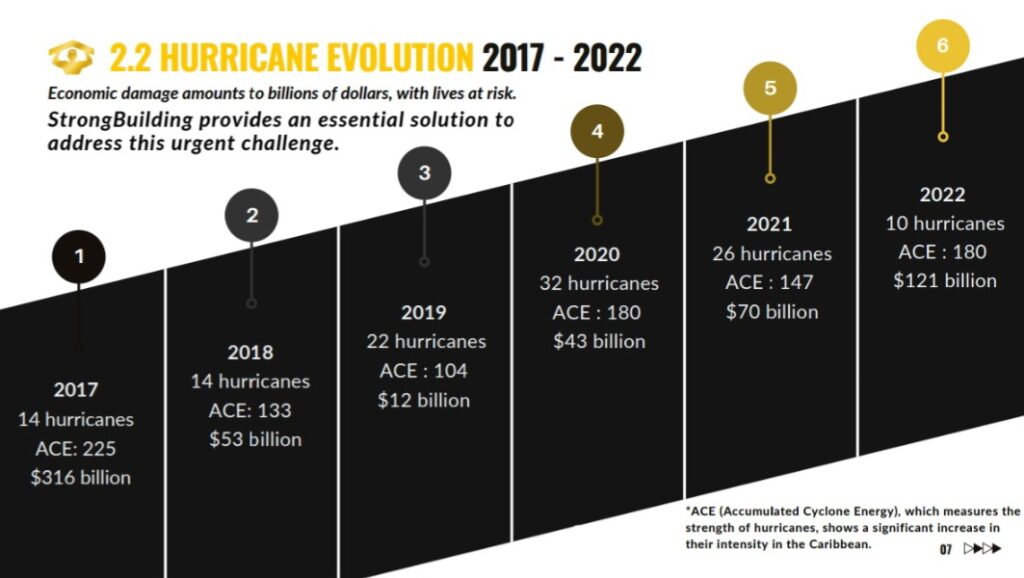
In a region regularly exposed to violent storms, rising wind speeds, and seismic risks, the need for stronger construction solutions has never been greater. Climate change is increasing both the frequency and the intensity of tropical cyclones, placing homes and infrastructure under growing pressure.
 
Within this context, a new generation of building innovation is emerging. Among the most promising solutions is a patented roofing technology developed specifically to protect homes against hurricanes and earthquakes.
 
At the center of this innovation is StrongBuilding, a company pioneering a reinforced concrete roofing system designed to dramatically increase the structural resistance of homes in extreme conditions.
 
What makes this technology particularly compelling is not only its engineering design, but also its unique combination of three powerful elements:
• a patented construction method
• a real-world proof of concept tested for more than a decade
• an innovation born in the Caribbean, where the challenge of hurricane resilience is most urgent
 
Together, these factors position the StrongBuilding system as a potentially transformative solution for resilient construction.
The Problem: When Roofs Become the Weakest Link
 
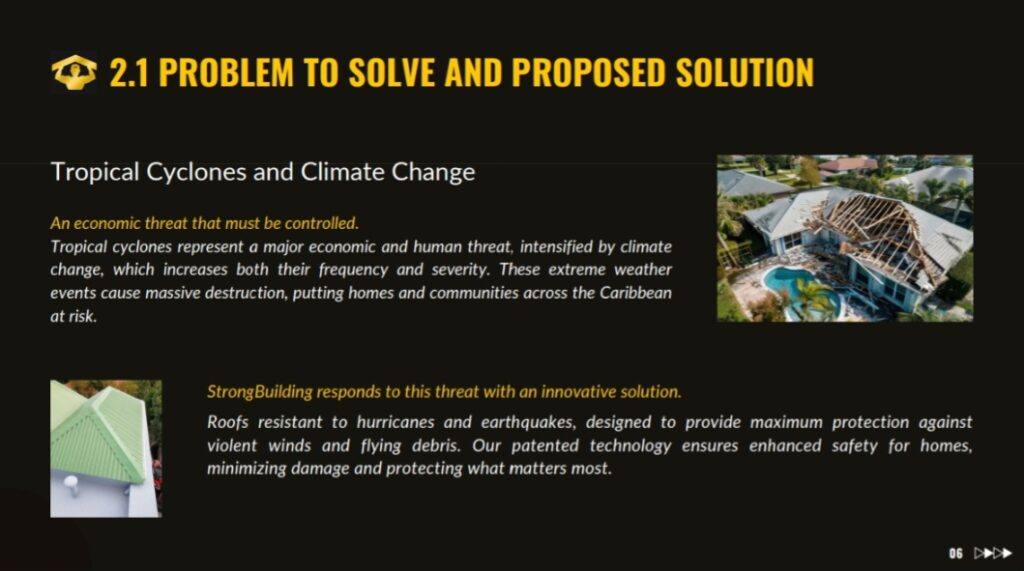
In many hurricane-prone regions, the roof is the most vulnerable part of a building. Traditional roofing systems often rely on frameworks made of wood or light structural materials covered by tiles, metal sheets, or other lightweight coverings. While widely used, these systems can fail when exposed to the extreme uplift forces generated by hurricane winds.
 
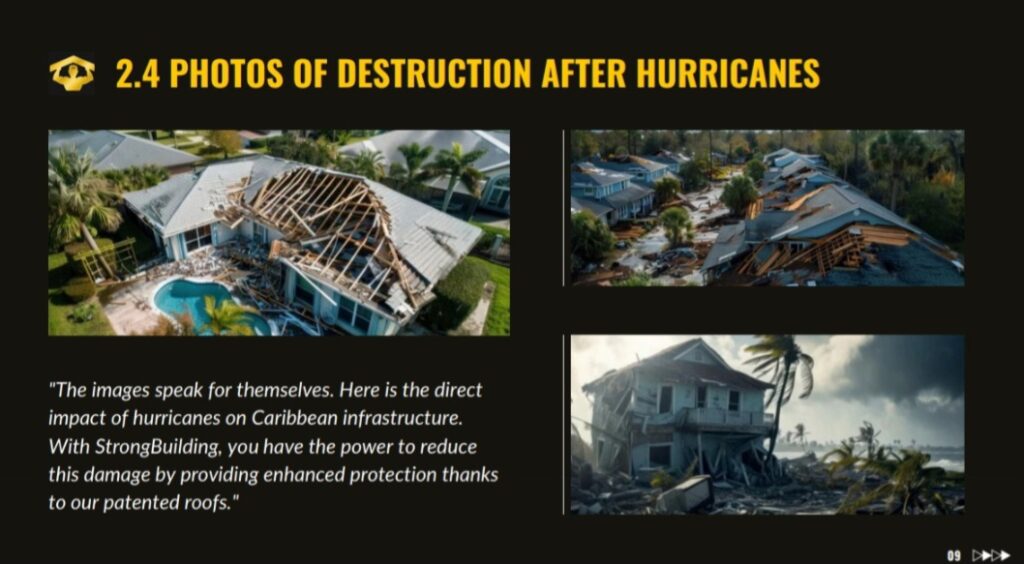
When a roof is torn away during a storm, the consequences can be devastating. Once the protective envelope of a home is compromised, wind and water rapidly destroy interiors and weaken the entire structure.
 
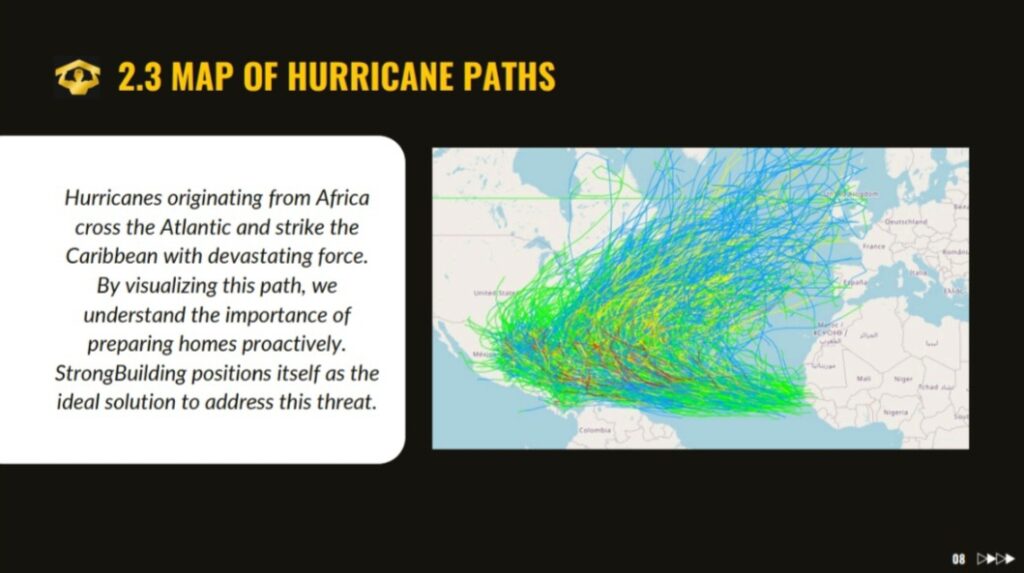
Across the Caribbean, images of hurricane destruction consistently show the same pattern: roofs removed or severely damaged by extreme winds and debris.
 
This reality has led engineers, builders, and homeowners to search for new construction methods capable of providing significantly stronger structural protection.

The Vision Behind the Innovation

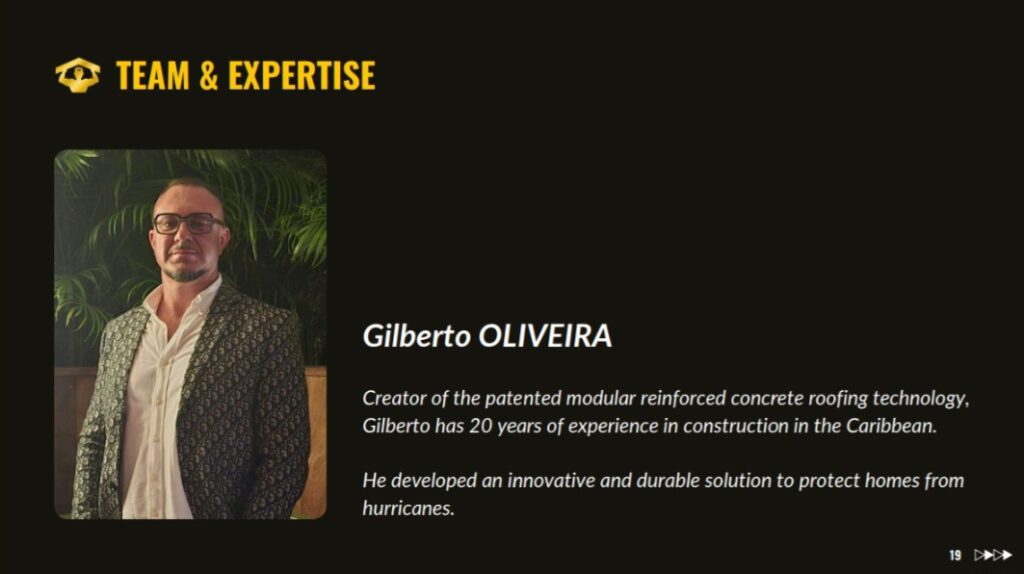
The breakthrough behind StrongBuilding’s technology was developed by José Gilberto Rodrigues de Oliveira, a construction professional with more than twenty years of experience working in the Caribbean building industry.
 
Through decades of hands-on work in hurricane-exposed environments, he repeatedly observed the same structural vulnerability: roofs that were not sufficiently integrated with the rest of the building.
 
This observation led him to rethink roof construction from a fundamental perspective.
 
Instead of treating the roof as a separate structure placed on top of a building, he envisioned a new approach: a roof designed as an integral structural component of the building itself.
 
From this concept emerged a new engineering solution — a reinforced concrete modular roof construction method, designed to create a single structural unit connected directly to the building’s framework.
 
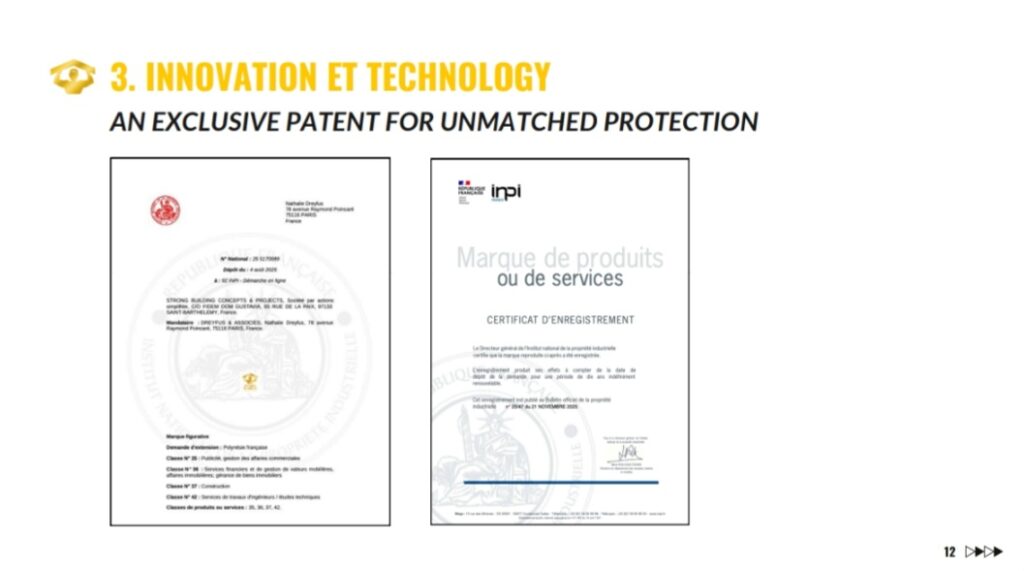
The originality of this method was later recognized through the granting of a United States patent for the reinforced concrete modular roof construction system, confirming its technical novelty and value.
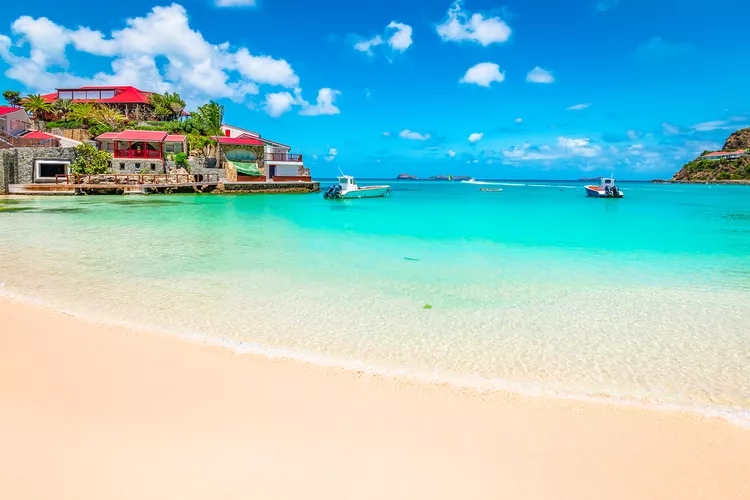
Born in St. Barths
 
The origins of this innovation are closely linked to its environment. The technology was developed on the island of St. Barths (Saint-Barthélemy), a Caribbean territory where construction must withstand strong Atlantic storms, high winds, tropical humidity, and salt exposure.
 
Developing building technologies in such conditions requires a deep understanding of local environmental stresses. The solution created by José Gilberto Rodrigues de Oliveira was therefore shaped directly by real-world construction challenges in a hurricane-exposed region.
 
This Caribbean origin is significant. It means the system was designed not only in theory, but also in response to the practical needs of building safely in one of the world’s most storm-exposed environments.
 
Today, an innovation born on a small island has the potential to address a global problem affecting coastal and tropical regions across the planet.
A Decade of Real-World Proof
 
One of the most compelling aspects of the StrongBuilding technology is that it is not only a patented concept — it is also proven in real life.
 
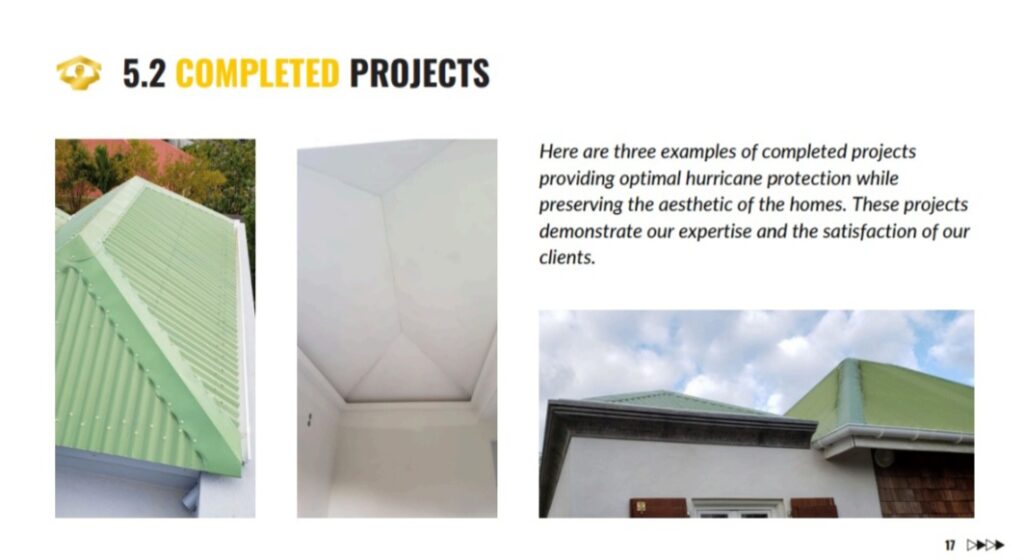
The first home built using this reinforced concrete roofing concept has been standing safely for more than ten years, demonstrating its durability, stability, and resistance over time.
 
Through years of exposure to tropical weather and seasonal storms, the structure has maintained its performance and structural integrity.
 
This long-term real-world validation provided crucial confirmation that the concept worked in practice and not only in theory. It also reinforced the decision to formalize the invention and secure international patent protection.
 
For investors, developers, and homeowners, this represents a critical advantage: a technology validated by time and real environmental conditions.
The Technology: A Modular Reinforced Concrete Roof
 
At the core of StrongBuilding’s system is a structural concept known as modular construction.
 
In engineering, a modular structure is one in which the outer shell carries the structural load, creating a strong, unified system rather than relying on separate components.
 
Traditional roofs typically consist of multiple independent parts: rafters, frames, and coverings. Under extreme stress, these elements can separate or fail.
 
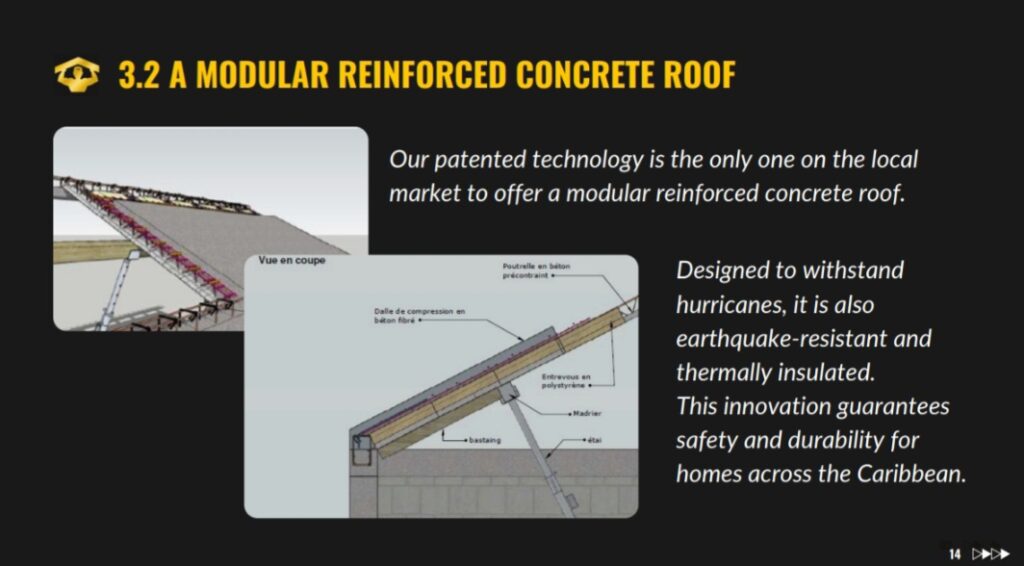
StrongBuilding’s patented system eliminates this vulnerability by creating a single reinforced concrete structural unit integrated with the building itself.
 
The system includes several structural elements:
• a primary reinforcement frame connected to the building structure
• a secondary framework consisting of floor beams and inter-joists
• a reinforced concrete distribution slab poured across the entire roof
• an external reinforced concrete girdling cornice that secures the roof to the building walls
 
Together, these elements form a unified structural system capable of distributing mechanical forces across the entire building.
 
This design significantly increases resistance to:
• hurricane wind uplift
• debris impact during storms
• structural shear forces
• seismic movements
 
By transforming the roof into a structural extension of the building, the system greatly reduces the risk of roof detachment — one of the most common causes of catastrophic failure during hurricanes.
Engineering Designed for Extreme Conditions
 
The patented construction method is specifically engineered to withstand violent mechanical stresses.
 
The reinforced concrete slab acts as a bonding and load-distribution element, transferring mechanical forces evenly throughout the structure.
 
Supporting beams and reinforcement elements ensure the roof can absorb and distribute stresses without structural failure.
 
An external reinforced concrete girdling element — sometimes referred to as a cornice — connects the roof directly to the building’s outer walls, significantly increasing resistance to tearing forces caused by high winds.
 
This integrated system creates a high-strength protective structure capable of resisting extreme environmental forces.
Multiple Advantages for Modern Homes
 
Beyond structural strength, the StrongBuilding roofing system provides several additional benefits.
 
Hurricane Resistance
The reinforced concrete structure is designed to withstand extreme winds and debris impacts.
 
Earthquake Resistance
The integrated structural design helps distribute seismic stresses more effectively.
 
Thermal Insulation
Insulating elements within the structure help regulate indoor temperatures, improving energy efficiency and comfort.
 
Long-Term Durability
Concrete construction offers exceptional longevity and resistance to environmental degradation.
 
Modular Adaptability
The system can be adapted to a wide range of building designs, from residential homes to commercial structures.
The Role of StrongBuilding
 
Building on this patented technology, StrongBuilding was founded with a clear mission: to provide homes across the Caribbean with roofs capable of withstanding the extreme conditions of modern climate challenges.
 
The company develops modular reinforced concrete roofing systems tailored to each project. Depending on the size and architectural requirements of a building, the system can be adapted while maintaining its core structural principles.
 
This flexibility allows StrongBuilding to offer solutions for both new construction and specialized projects where enhanced structural protection is required.
 
A Growing Global Market Opportunity
 
As climate change intensifies extreme weather events, the demand for resilient construction solutions is growing rapidly.
 
Regions around the world face similar risks:
• the Caribbean
• the Gulf Coast of the United States
• Southeast Asia
• Pacific island nations
• coastal regions vulnerable to cyclones and typhoons
 
In these environments, stronger building systems are becoming a critical priority.
Technologies capable of protecting homes and infrastructure against extreme weather will play an increasingly important role in the future of construction.
 
StrongBuilding’s patented system arrives at a moment when governments, developers, and homeowners are actively seeking more resilient and sustainable building solutions.
Building a Safer Future
 
StrongBuilding represents a new generation of construction innovation focused on resilience, safety, and long-term durability.
 
From its origins on the island of St. Barths to its patented engineering system and decade-long real-world proof, the technology reflects a powerful idea:
that homes in hurricane-exposed regions should be built not only for comfort and aesthetics, but also for survival.
 
The vision behind the technology is ambitious yet practical — to help create communities where homes are better protected against the growing risks of extreme weather.
 
What began as a construction solution developed by José Gilberto Rodrigues de Oliveira in St. Barths may ultimately contribute to a broader transformation in how buildings are designed in climate-exposed regions around the world.
 
In an era where storms are becoming stronger, innovations like this are no longer optional. They are essential for building a safer future.